The Relevance of Understanding the Incorporation Criteria in Company Formation Offshore Processes
Guiding with the complexities of offshore Company Formation needs a strong understanding of inclusion criteria. These standards determine qualification, affecting whatever from governing conformity to tax benefits. Entrepreneurs must understand exactly how administrative factors play a function in this process. An absence of understanding can cause pricey errors. As companies discover these waters, the implications of their decisions become progressively significant. What certain aspects should they focus on to ensure an effective endeavor?
Defining Addition Standard for Offshore Company Formation
When considering the formation of an offshore company, it is necessary to establish clear inclusion standards that guide the decision-making procedure. These criteria function as a fundamental structure, guaranteeing that possible candidates for offshore Company Formation fulfill certain demands. Commonly, they might encompass variables such as the organization's nature, the geographical place of procedures, and the legal structures available in numerous territories.
Incorporation requirements assist streamline the choice procedure, enabling entrepreneurs to concentrate on viable alternatives that line up with their tactical goals. These standards can minimize threats associated with compliance, taxes, and regulative issues in foreign markets (company formation offshore). By specifying these standards, local business owner can effectively evaluate their inspirations for offshore Company Formation and assurance positioning with their long-term goals. Ultimately, clearness in inclusion requirements cultivates educated decisions, facilitating a smoother change right into the overseas organization landscape
Secret Factors Affecting Eligibility
Eligibility for offshore Company Formation depends upon numerous essential factors that shape an entrepreneur's capacity to efficiently browse this facility landscape. First, the person's financial standing is important, as numerous jurisdictions require proof of adequate funding to develop and keep a firm. Second, the nature of business plays a substantial duty; specific sectors might encounter restrictions or additional regulations in offshore setups. Third, the business owner's residency standing can influence qualification, with some territories favoring local homeowners or needing details licenses for international nationals. Additionally, conformity with anti-money laundering (AML) and know-your-customer (KYC) policies is essential, as failing to fulfill these standards can invalidate applicants. Ultimately, the entrepreneur's experience and expertise in worldwide service methods might influence their capability to meet the needed needs. Comprehending these aspects is vital for anybody thinking about overseas Company Formation.
The Role of Territory in Incorporation Standard
Territory plays a pivotal function in establishing the addition criteria for overseas Company Formation, as various areas impose special laws and standards. Each territory has its own lawful framework that specifies who can develop an offshore company, the types of companies allowed, and the requisite documents. Some jurisdictions might call for a minimum capital investment or details qualifications for supervisors and shareholders, while others could have much more lenient requirements.
Additionally, the reputation of a jurisdiction can influence the viewed legitimacy of a firm. Areas with reputable legal systems and robust governing structures have a tendency to bring in even more major service endeavors, while others may be considered as tax obligation places or less reliable. Understanding these administrative subtleties is vital for possible entrepreneurs, as the chosen place can substantially affect operational effectiveness, conformity responsibilities, and total service success in the overseas landscape.
Tax Effects and Advantages
Tax obligation ramifications play an essential role in offshore Company Formation, affecting both immediate lasting strategies and financial advantages. Comprehending available tax incentives and guaranteeing compliance with regional guidelines are necessary for enhancing monetary outcomes. By tactically steering through these components, businesses can enhance their functional performance and sustainability in international markets.
Tax Obligation Incentives Introduction
While many entrepreneurs consider overseas Company Formation for numerous calculated reasons, recognizing the tax rewards included is essential for making the most of benefits. Offshore territories commonly provide positive tax programs, including reduced or no corporate taxes, which can notably improve profit margins. Some regions offer tax vacations or exemptions for certain markets, encouraging foreign investment. In addition, specific nations may have double taxes treaties, allowing companies to prevent being taxed on the same revenue in numerous jurisdictions. Tax obligation motivations can additionally encompass minimized capital gains taxes and exceptions for foreign revenue. By extensively assessing these benefits, entrepreneurs can maximize their financial strategy and guarantee compliance with regional regulations while successfully managing their international tax responsibilities.

Compliance With Regulations
Offshore Company Formation uses a variety of tax obligation rewards, yet comprehending conformity with laws is equally essential for business owners. Compliance warranties that businesses abide by local regulations and international criteria, which can substantially impact their operational success. Failing to comply might lead to serious penalties, consisting of fines and loss of permit. Business owners need to know the particular tax obligations in their picked jurisdiction, as various areas provide varying demands and benefits. Additionally, recognizing reporting standards and anti-money laundering laws is important to avoid legal problems. By prioritizing compliance, entrepreneur can enjoy the economic benefits of offshore development while maintaining a trustworthy and authorized visibility in the worldwide market.
Long-lasting Financial Techniques
Establishing efficient long-lasting monetary techniques is critical for entrepreneurs taking into consideration offshore Company Formation, particularly concerning tax effects and benefits. By choosing territories with beneficial tax obligation regimens, companies can substantially decrease their tax obligation burden and improve cash circulation. Understanding local tax laws, such as credit scores, exceptions, and reductions, plays an essential role in enhancing monetary efficiency. Furthermore, methods like profit repatriation and transfer pricing can further improve tax obligation efficiency. Business owners ought to also consider the potential impact of international tax treaties, which might provide beneficial terms for cross-border operations. Inevitably, a well-structured monetary method, straightened with legal conformity and governing requirements, not only promotes sustainable development however also offers a competitive side in the global marketplace.
Regulatory Compliance Factors To Consider
Regulative conformity is an essential factor that needs to be very carefully navigated during the formation of an overseas business, as failing to abide by local regulations can here lead to substantial fines. Each jurisdiction has its very own set of guidelines regulating Company Formation, including registration needs, tax obligations, and reporting requirements. It is essential for entrepreneurs to extensively comprehend these laws to guarantee their procedures straighten with lawful expectations.

Strategic Business Preparation for Offshore Ventures
Defining Target Audience
Determining the target audience is a crucial step in the critical company preparation process for overseas ventures. This process involves analyzing prospective customers and their choices, which educates product growth and marketing strategies. By understanding demographic variables such as age, revenue, and area, organizations can customize their offerings to satisfy particular demands. In addition, evaluating market fads and customer habits aids in recognizing voids in the market that the endeavor can make use of. Efficient segmentation of the target audience improves the potential for success by making certain that sources are assigned successfully. Eventually, a well-defined target market facilitates a concentrated method, improving the possibility of attaining affordable benefit and long-term sustainability in the offshore company landscape.
Compliance With Regulations

While guiding through the intricacies of overseas Company Formation, conformity with policies becomes an important element in ensuring the venture's success. Abiding by worldwide standards and regional regulations not just mitigates lawful risks yet also improves the integrity of business. Firms should be vigilant relating to tax responsibilities, licensing needs, and reporting criteria specific to their selected jurisdiction. Additionally, comprehending anti-money laundering (AML) methods and know-your-customer (KYC) regulations is vital for keeping operational integrity. Failure to comply can result in penalties, reputational damage, or also dissolution of the company. Tactical business planning must integrate detailed conformity checks to safeguard against prospective mistakes, inevitably developing a strong foundation for development and sustainability in the offshore sector.
Typical Risks to Prevent in Offshore Company Formation
Numerous business owners ignore important details when developing an overseas business, which can result in significant legal and economic consequences. One common challenge is falling short to perform complete research study on jurisdictional laws. Each offshore area has unique regulations that can affect company procedures. Business owners frequently ignore the relevance of choosing the right business framework, which can impact responsibility and tax. In addition, neglecting to develop a reputable local existence, such as a signed up representative, can cause difficulties throughout governing conformity.
An additional mistake entails insufficient understanding of banking demands, which can result in account access problems. Business owners might additionally ignore the importance of keeping precise records, which is essential for transparency and conformity. Insufficient legal advice can result in misinterpretation of the requirements, revealing the organization to risks. By preventing these risks, business owners can improve their overseas Company Formation experience and warranty lasting success.
Regularly Asked Questions
Can Foreign People Form Offshore Companies Without Local Partnerships?
The concern of whether foreign people can create overseas firms without regional collaborations is facility. Usually, several territories allow this, yet particular policies and needs might vary significantly depending upon the nation picked for consolidation.
What Paperwork Is Required for Offshore Company Formation?
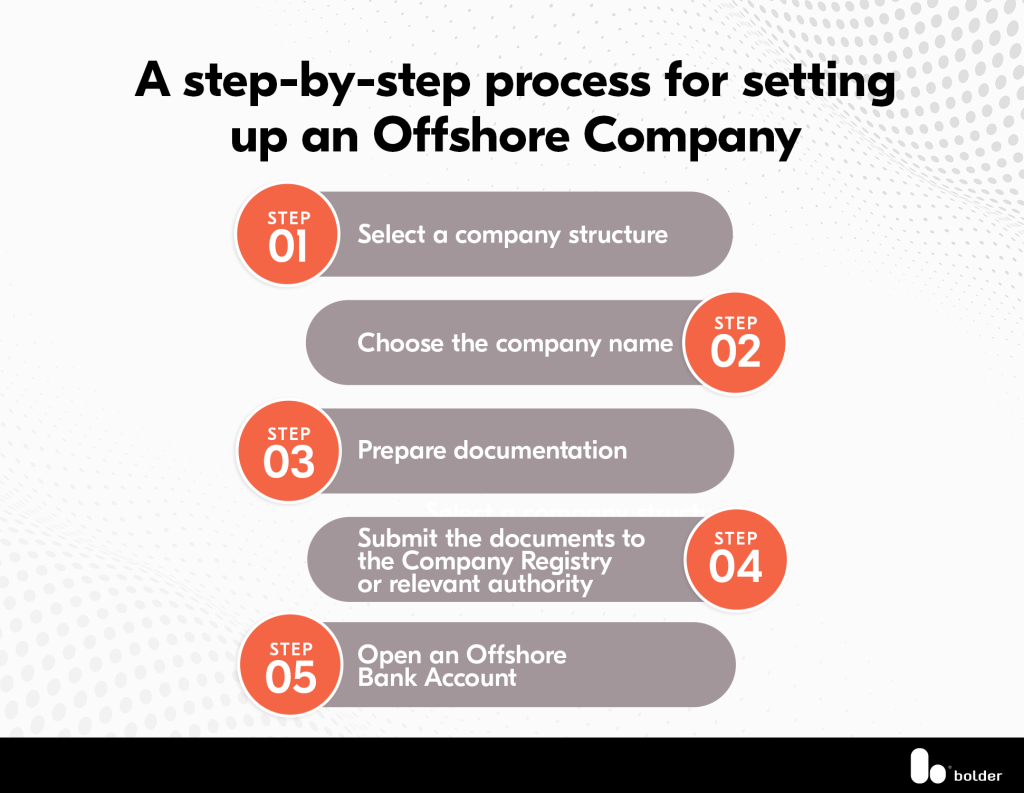
The paperwork required for offshore Company Formation usually consists of recognition proof, property address verification, service strategy, bank reference letters, and sometimes added governing forms, relying on the territory's details lawful needs and business structure chosen. company formation offshore.
Exist Age Restrictions for Offshore Firm Owners?
Age restrictions for overseas business founders differ by territory. Generally, people must be at least 18 years of ages to lawfully establish a company. Some regions may have specific arrangements or added requirements regarding age qualification.
The length of time Does the Offshore Company Formation Refine Usually Take?
The offshore Company Formation procedure typically takes anywhere from a couple of days to a number of weeks. Variables affecting duration include territory policies, required documents, and the efficiency of solution companies associated with the enrollment process.
Can I Change My Firm's Addition Standard After Formation?
The private asked yourself if altering a business's you could try this out addition requirements post-formation was feasible. Typically, modifications can be made, but this typically calls for adherence to particular lawful treatments and compliance with the laws of the jurisdiction involved.
By defining these standards, company owners can successfully examine their inspirations for offshore Company Formation and guarantee placement with their lasting objectives. Each territory has its very own lawful structure that defines who can establish an offshore business, the types of companies allowed, and the requisite documentation. While many entrepreneurs consider offshore Company Formation for various calculated factors, understanding the tax incentives included is important for optimizing advantages. Offshore Company Formation uses a variety of tax motivations, yet recognizing conformity with guidelines is similarly important for business owners. Establishing efficient long-term monetary methods is important for entrepreneurs taking into consideration overseas Company Formation, particularly regarding tax implications and advantages.
Comments on “Exploring tangible uses of company formation offshore in business services”